

No, this is not another “infinite zoom” workflow.
We’ve had infinite zooms, recursive img2img, outpainting and endless upscaling for years. They all eventually hit the same wall: the deeper you zoom, the less the model understands what it is looking at. It stops seeing an eagle’s eye and starts seeing a brown circle with random textures. Consistency slowly disappears and the generated details become generic noise.
The problem isn’t image quality.
The problem is semantics.
If you’ve read my previous articles, you’ll probably notice a recurring theme. Whether I was talking about infinite scene generation, consistent comics, prompt randomization or Krea 2 workflows, I kept coming back to the same conclusion:
Semantic understanding is far more important than pixel similarity.
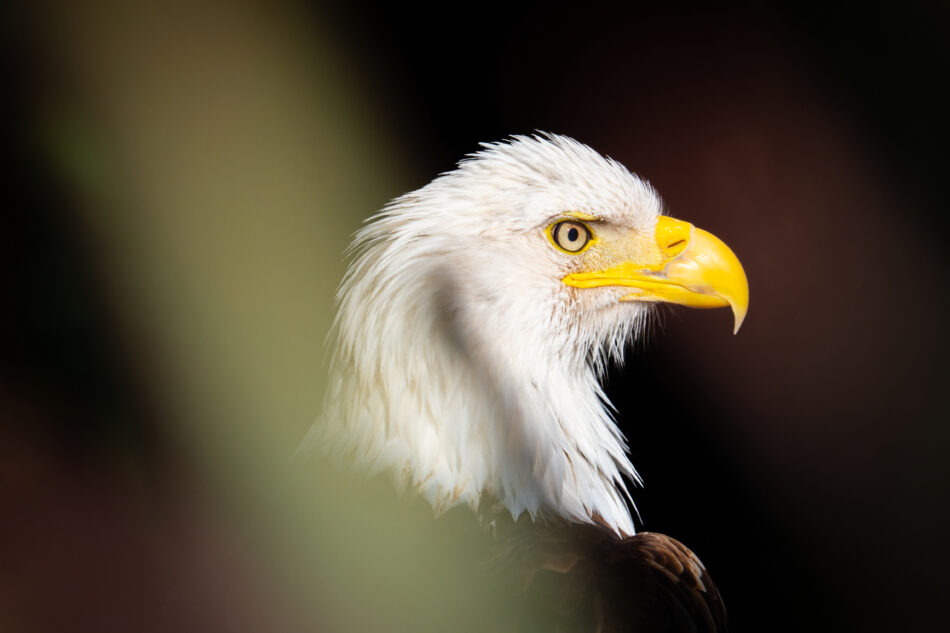
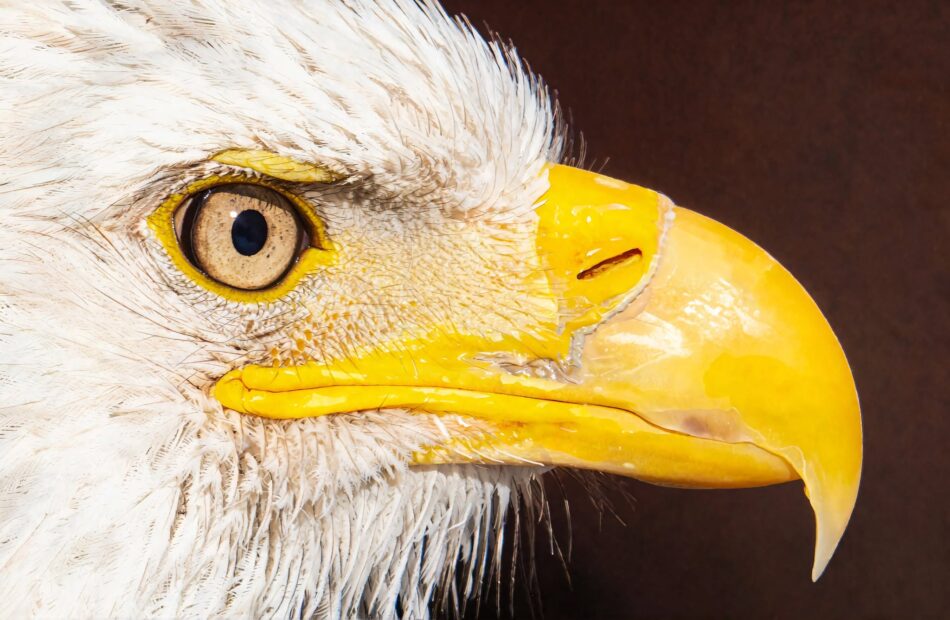
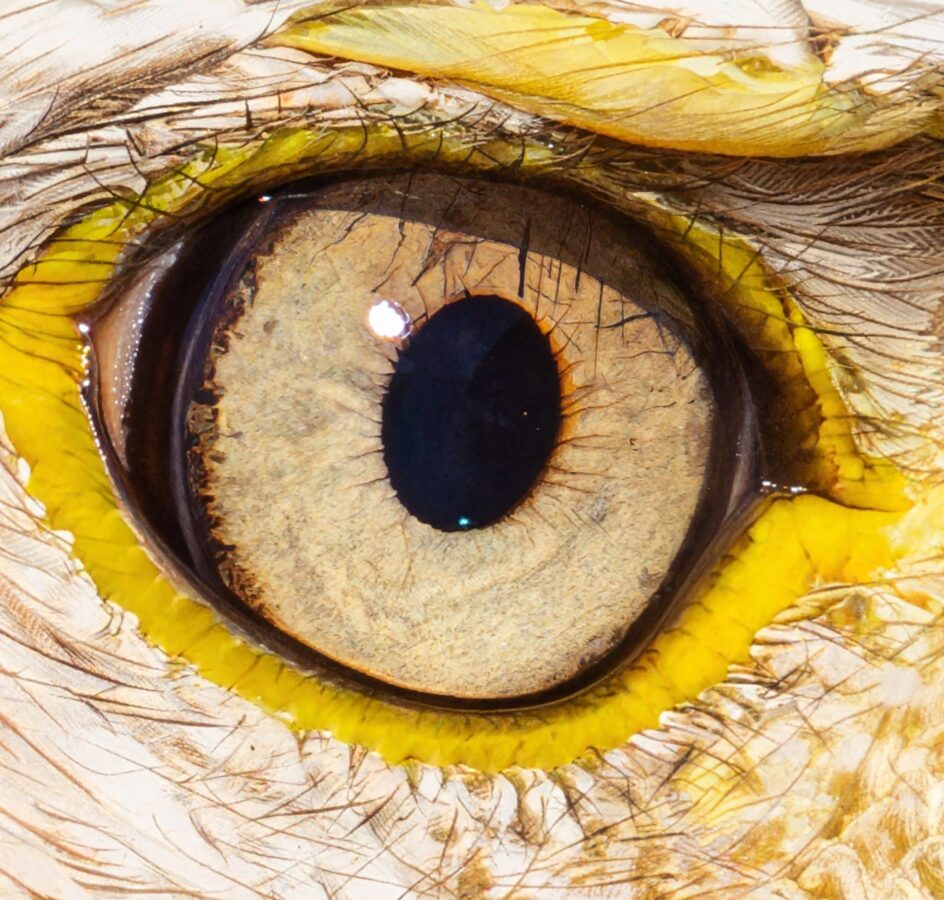
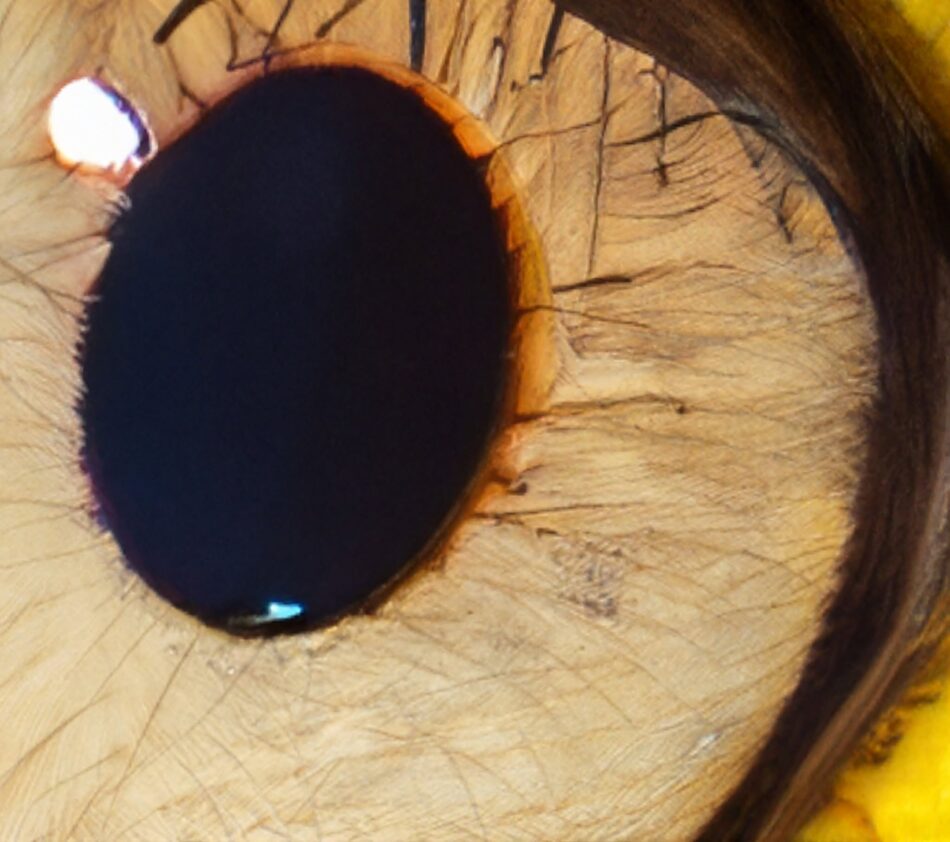
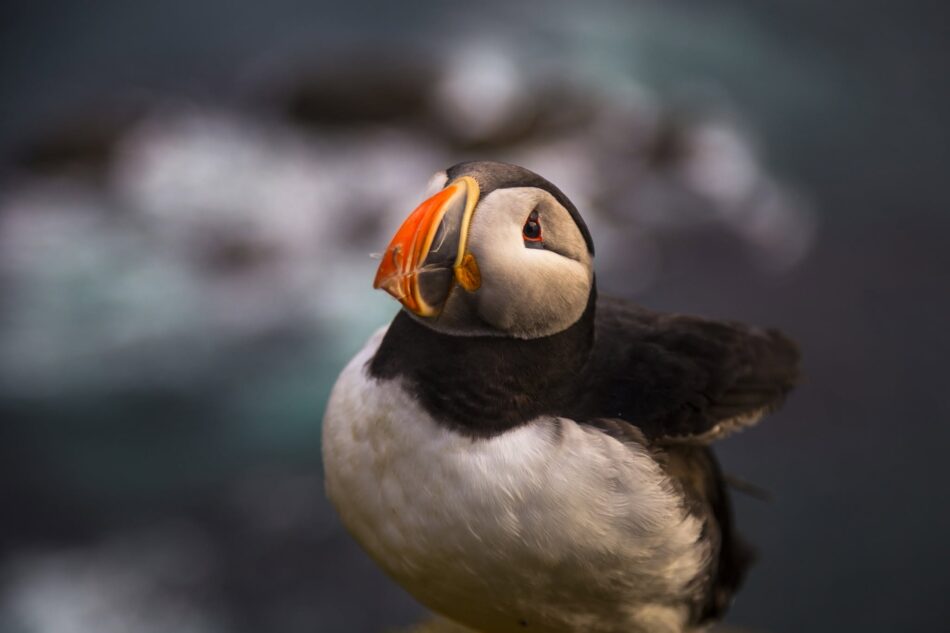
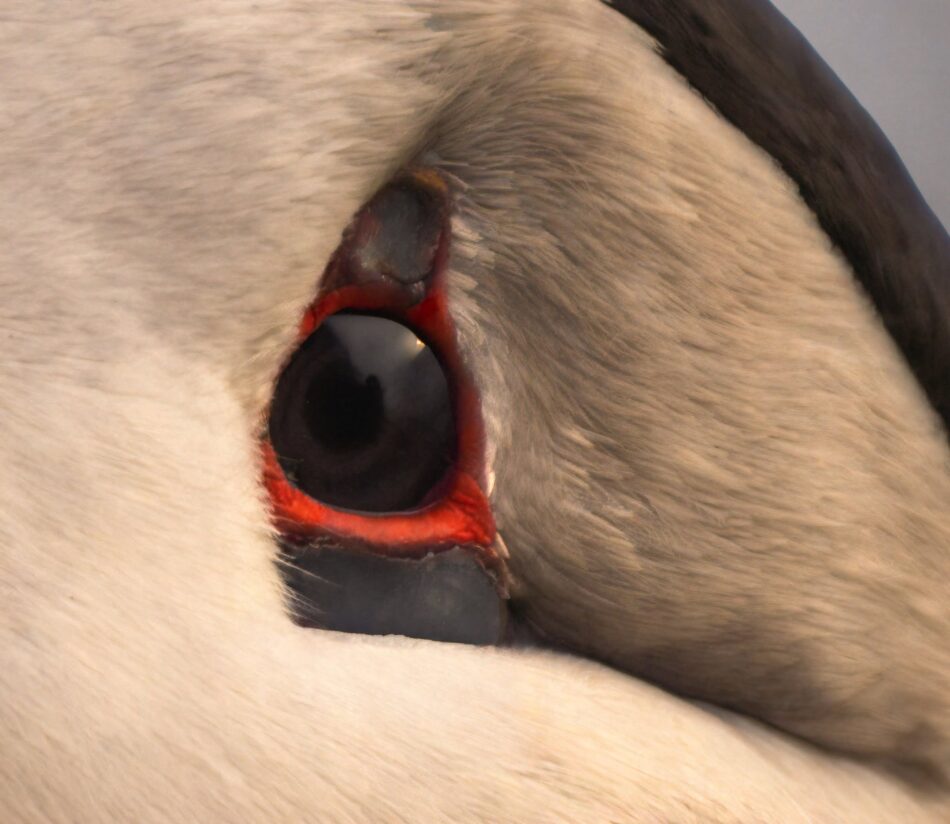
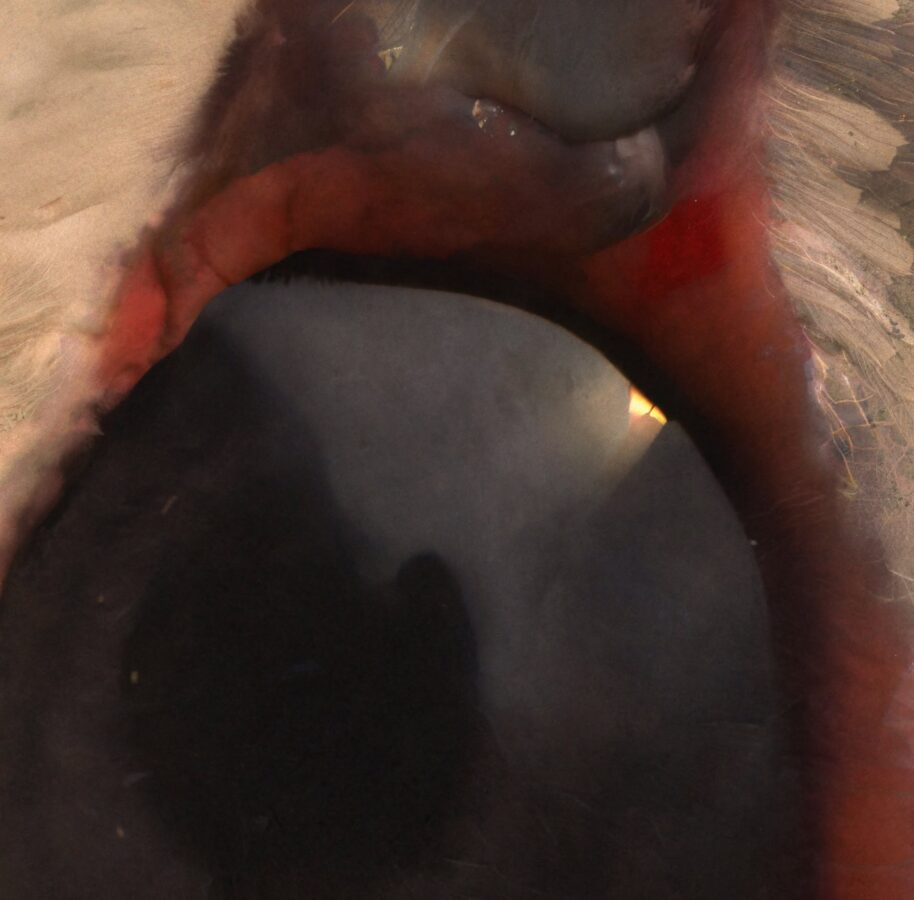
Models don’t maintain consistency because they remember pixels. They maintain consistency because they understand what those pixels represent.
So instead of asking how to generate better details, I asked a different question:
What if every crop knew exactly what it was?
The idea
Instead of recursively feeding smaller and smaller crops into an image model, each crop first gets interpreted by a vision language model.
Not in isolation.
The VLM receives
- the original full image
- the selected crop
It then explains what the crop represents in the context of the entire image.
Not simply:
close-up of a yellow object
but
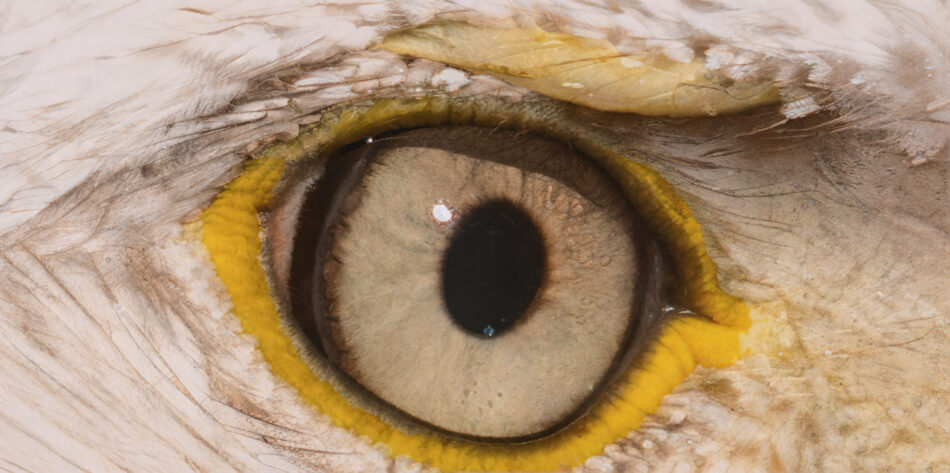
extreme close-up of the left iris of a bald eagle. The crop is part of the eagle’s eye viewed from the side. Continue revealing progressively smaller biological structures while preserving the anatomy and appearance of the same eagle.
That description becomes the prompt for the next generation.
Every zoom step therefore begins with semantic understanding.
Not pixels.
Edit : I just upated the workflow to have a 4k output. Check out the results here in fullscreen
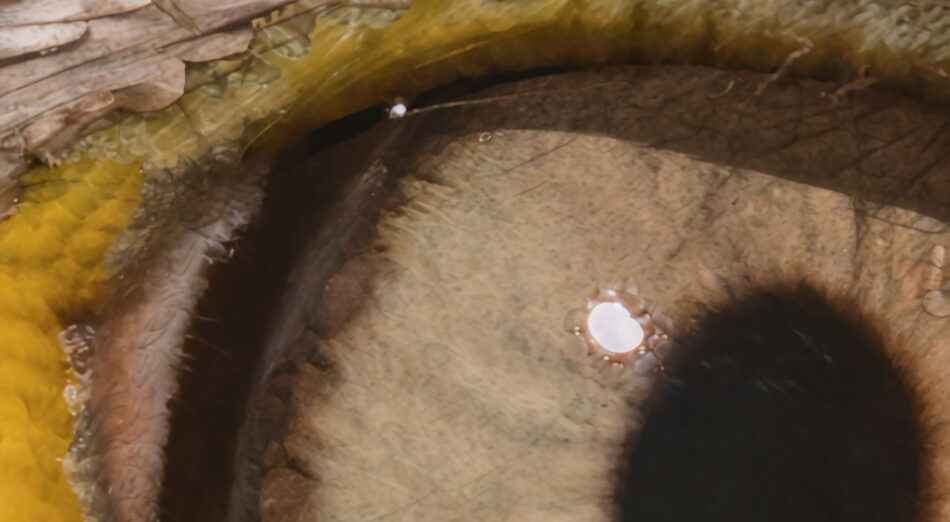
Why Qwen VLM?
Because I’m already using Krea 2.Krea 2 already loads Qwen as its CLIP/vision encoder, meaning the model is already sitting in VRAM doing nothing after image generation.Instead of loading another vision model, I simply reuse the one that’s already there.The semantic analysis therefore becomes almost free.No additional model loading.No additional VRAM.Just another inference.
The generation pipeline
The workflow itself is surprisingly straightforward.First, the crop is enlarged using traditional GAN upscalers.Not because GANs hallucinate perfectly.Because they produce a sharp enough image for extremely low denoising img2img.The enlarged crop is then regenerated using Krea 2 at roughly 0.05-0.15 denoising while using the semantic prompt generated by the VLM.This introduces believable microscopic detail while preserving almost everything that already exists.The result, however, isn’t perfect.
Very low denoising tends to preserve small artefacts:
- slight blur
- chromatic aberration
- JPEG remnants
- sensor-like noise
- tiny inconsistencies
Instead of increasing denoising and risking semantic drift, I run one more stage.An edit model.In my current workflow that’s Flux Kontext Klein.Its job is not to invent new content.Its job is simply to clean what already exists.Remove noise.Sharpen edges.Reduce chromatic aberration.Increase local contrast. Leave everything else alone.
The result is remarkably clean while preserving the generated microscopic structures.
Why this works
Imagine zooming into the eye of an eagle.A normal recursive workflow eventually forgets it is looking at an eye.It only sees textures.This workflow never forgets.Every single generation begins with a fresh explanation generated from the complete image.The model continuously receives information like: this is still the eagle’s eye
instead of here’s another crop.
That small difference completely changes how the model invents new detail.
Infinite detail instead of infinite pixels
Most “infinite zoom” systems are really just increasing resolution.
This workflow is doing something different.It attempts to create infinite semantic detail.Every zoom level contains information appropriate for that scale while remaining connected to every larger scale above it.The feather becomes a collection of fibers.The fibers become microscopic keratin structure.The iris becomes increasingly complex biological tissue.Not because those details existed in the original image.Because they are semantically plausible.
A recurring pattern
Looking back, I realized this workflow follows exactly the same philosophy as my previous work.When I generated infinite consistent scenes, semantic descriptions mattered more than image references. When I generated consistent comic books without LoRAs, semantic continuity mattered more than ControlNet. When I intentionally randomized prompts, I wasn’t destroying consistency—I was controlling semantic diversity. Now the exact same principle appears again. The model performs best when it understands what something is before trying to generate how it should look. Pixels are surprisingly bad memory. Meaning is not.
Where this could go
This is only the first version. The obvious next steps are exciting.Recursive semantic memory.Automatic zoom path planning.Adaptive denoising depending on semantic confidence.Different prompting strategies depending on zoom depth.Eventually the workflow could stop being an infinite crop tool and become something closer to a microscope that continuously invents plausible new structure while never forgetting what it is observing.Whether this exact implementation survives doesn’t really matter.
The underlying idea does.
Because I have a feeling that before long, semantic understanding won’t just improve image generation.It will become the thing that holds it together.
Here is the workflow and custom node needed in comfy. copy the custom nodes in custom nodes folder. The rest should be revealed in ComfyUI manager.
Here is the updated workflow with 4k output
EDIT: I now converted everything into a single easy-to use app. Message me for a download link, it is huge an cannot publicly post the Google Drive link

Pingback: DYSTALGIA : Infinite, context-aware generative zoom - Dystalgia - Aurel Manea Art