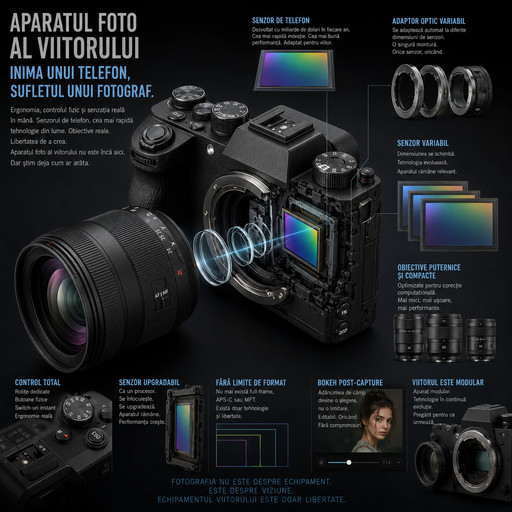
The camera of the future is already here. It’s called a smartphone. But it is not the camera photographers actually want. Smartphones have already won the imaging race. They won through scale, billions of dollars in R&D, yearly sensor improvements, dedicated image processors, computational photography, and now AI. No traditional camera manufacturer can match that pace of innovation. Yet hand a professional photographer a smartphone for an entire day of shooting and you’ll probably hear the same complaint: “It just doesn’t feel right.” Because photography isn’t just about image quality. It’s about ergonomics.
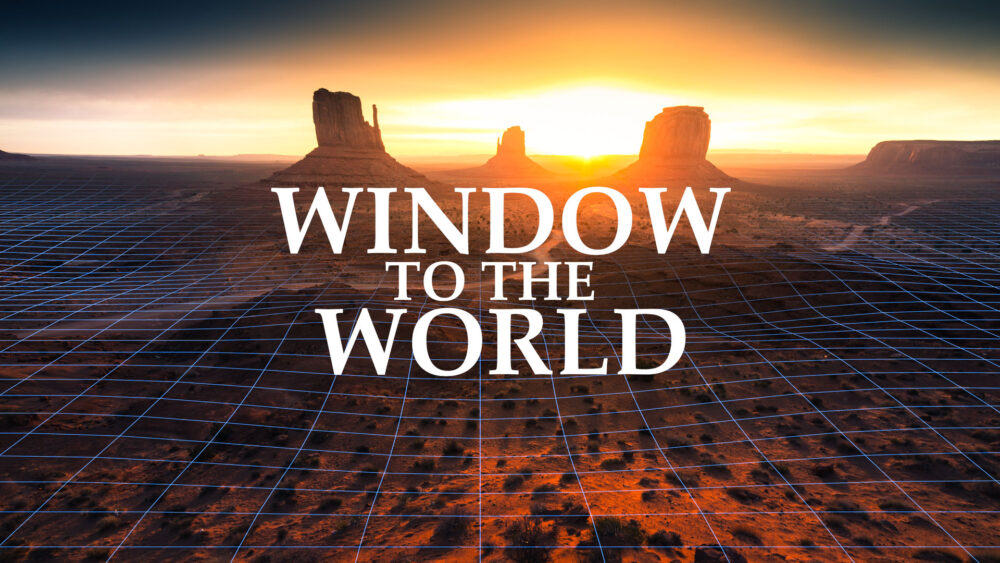
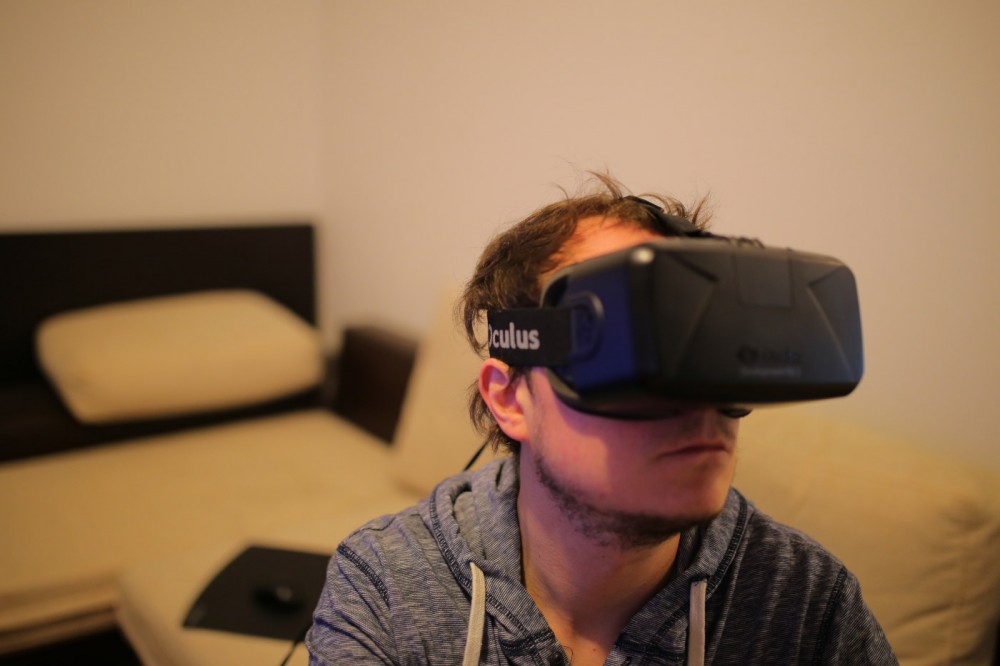
Exactly ten years ago, I decided to make a virtual reality application. I did not know Unity. I did not know C#. I learned enough of both in approximately two weeks and built Window to the World—to the best of my knowledge, the first Romanian VR application released on a public app store. The application is still listed on the Meta Store: https://www.meta.com/experiences/window-to-the-world/977682772321493/ But the project did not begin with VR. It began years earlier with photography and a simple frustration: a photograph could preserve light, colour, composition and detail, but it could not fully preserve the physical sensation of being there.
Photography Without a Drone
In 2013, I started experimenting with ways of giving my photographs depth and movement. I did not own a drone, and consumer drones were not yet ordinary photographic tools. If I wanted a camera movement through one of my landscapes, I could not simply return to Iceland, France or Bulgaria and fly through the scene. So I tried to reconstruct that movement from the photograph itself. I separated the images into elements, recreated the areas hidden behind foreground objects, built approximate geometry in 3ds Max, projected the original photographs onto it and added reflections, displacement, animated water and camera movement. It was not the usual two-dimensional parallax effect made from a few flat layers. The photographs became limited three-dimensional environments. They still worked only within a restricted range of movement, but inside that range the camera existed in something closer to an actual space. I documented the process here: https://aurelm.com/2013/12/15/fernweh-3d-parallax-photography-tutorial/
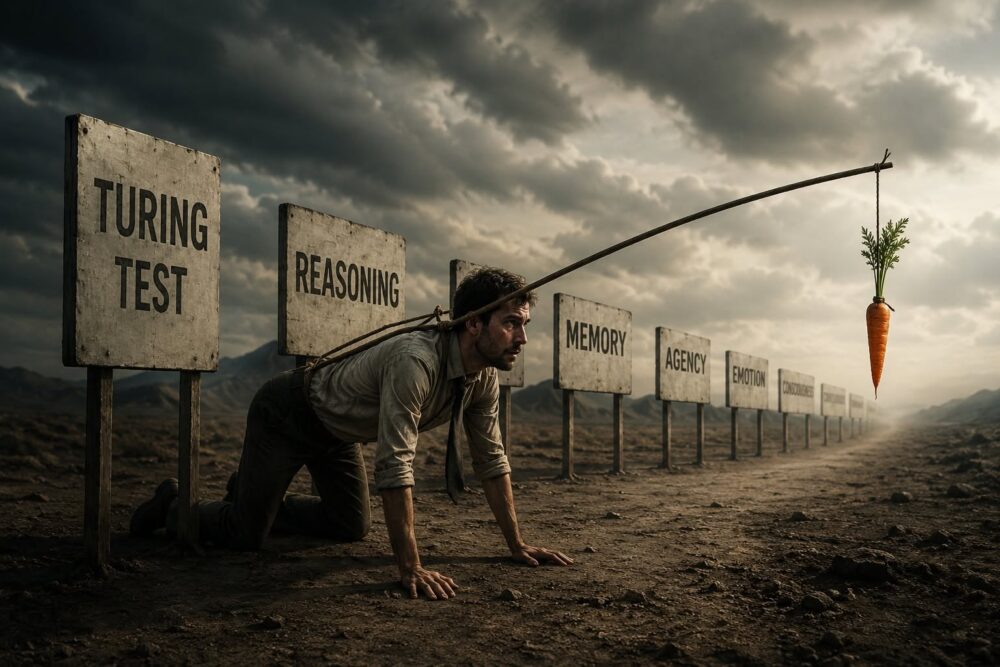
Ani la rand ne-am spus o poveste foarte clara. “Cand un AI va putea purta o conversatie imposibil de distins de cea a unui om, atunci vom fi ajuns la ceva cu adevarat important.” Acesta era Testul Turing. Nu era un meme. Era unul dintre fundamentele domeniului.
Apoi am ajuns acolo.
Si, aproape instantaneu, criteriul n-a mai contat. Nu pentru ca fusese demonstrat fals, ci pentru ca nu ne-a convenit rezultatul.
Am mutat borna.
“Nu, trebuie sa rationeze.” A inceput sa rationeze.
“Nu, trebuie sa aiba memorie.” Acum are.
“Nu, trebuie sa fie autonom.” Au aparut agenti autonomi.
“Nu, trebuie sa inteleaga.” “Nu, trebuie sa aiba emotii.” “Nu, trebuie sa aiba constiinta.” “Nu, trebuie sa aiba experienta subiectiva.”
A few days ago I published an article about a workflow capable of generating an effectively infinite number of consistent scene images using nothing more than a text description. The central idea was surprisingly simple: instead of maintaining consistency by carrying visual information from one generation to the next through LoRAs, ControlNet, reference images, edit models or image-to-image workflows, I continuously regenerated the description of the world itself. The previous image stopped being the source of truth. The description became the source of truth.
Here is the English translation of your text. I have preserved the precise philosophical nuances, the poetic and meditative rhythm, and the clean structure we refined.
What is God?
The title is already wrong. Not because the answer is unknown, but because the entire question is constructed from local axioms of this level of reality.
"What" assumes that objects exist. "Is" assumes that existence is a fundamental category. "God" assumes that there is something separate from the rest of reality that can be pointed to by a word.
Three words. Three assumptions. Three limitations.
Perhaps that is all language does: create limits.
Perhaps every word is a border drawn across something that had no need for borders.
When we ask "What is God?", we already assume a separation between the observer and the observed. Between the one asking the question and that which is about to be described. But why?
Because that is how this level of reality works.
Here, objects exist. Causes exist. Effects exist. Truth and falsehood exist. Self and world exist. Yesterday and tomorrow exist. The possible and the impossible exist. All of these seem obvious. So obvious that we rarely ask ourselves whether they are fundamental or merely local.
If a fish were to invent philosophy, it would probably consider water a fundamental property of existence. Not because it has proof, but because it has never seen anything else.
Perhaps we are doing the exact same thing.
Perhaps existence and non-existence are just our water. So is truth. So is falsehood. So is time. So is identity. So are cause and effect. So is logic. Perhaps they are all rules of the game, not rules of reality.
Every time we have tried to define God, we used one of these rules. We said He exists. We said He does not exist. We said He is everything. We said He is beyond everything. We said He is infinite. We said He is the source.
But each of these statements immediately introduces other assumptions.
If He is the source, then causality exists. If He is infinite, then the finite exists. If He is everything, then the notion of totality exists. If He is beyond, then conceptual space exists. If He exists, then existence is fundamental.
Every answer hides a deeper question.
So we began to eliminate.
First, matter. Then information. Then existence. Then non-existence. Then truth. Then falsehood. Then possibility. Then impossibility. Then the observer. Then the observed. Then the relationship between them. Then time. Then space. Then totality. Then infinity.
And every time, something remained. Or so it seemed.
At one point, we arrived at a word that seemed less wrong than the others: Experience.
Not someone’s experience. Not the experience of something. But the brute fact of appearance. The fact that everything else seems to appear within it. Matter appears. Energy appears. The universe appears. God appears. I appear. You appear. The question appears. The answer appears.
But then, the same problem arises.
Experience is also a rule.
Experience already assumes a framework. It assumes that appearance exists. It assumes that there is something that can be called experience. It assumes a distinction between experience and non-experience. It assumes a difference. And difference is already one of the rules we are trying to transcend.
So, experience too must be eliminated.
Just like all the others.
Just like God. Just like existence. Just like truth. Just like time. Just like meaning. Just like meaninglessness. Not because they are false, but because they are local. Because they belong to a geometry of thought that may not be universal.
And then, what remains?
Nothing.
But "nothing" is also a category. So nothing remains. But even that is incorrect, because it assumes absence.
Perhaps there isn’t even anything to remain. Perhaps the idea of "remaining" is part of the same game. Perhaps this search does not lead to an answer. Perhaps it progressively dissolves the very tools with which answers are constructed.
But there is an interesting observation.
Our evolution, be it biological, intellectual, or spiritual, seems to have always been a process of digging.
We believed the Earth was the center of the Universe. We gave that up.
We believed our species was separate from the rest of life. We gave that up.
We believed time was absolute. We gave that up.
We believed matter was fundamental. Now, even that is no longer certain.
Every time we dug deep enough, what seemed fundamental turned into a particular case of a more general thing.
Perhaps this process is not over. Perhaps it will never be over. Perhaps the evolution of an intelligence does not consist in the accumulation of certainties, but in the progressive relinquishing of limitations. Not to arrive at the final truth, but to always push further the boundary between what we consider fundamental and what we consider derivative.
Perhaps the next step is to give up the idea that the real is fundamental and the unreal is secondary.
A dream is real as an experience, even if it is not real as an object. A fiction is real through its effects. An idea can change the world without being able to be weighed. Perhaps the real and the unreal are just two local categories of a deeper distinction we do not yet understand.
Perhaps we will have to give up the separation between observer and observed.
Perhaps we will have to give up the idea that truth must be binary.
Perhaps we will have to give up the belief that identity is something fixed.
Perhaps we will have to give up linear time.
Perhaps we will have to give up the idea that explanation is more fundamental than mystery.
Perhaps even the assumption that everything must be capable of being explained.
Not to abandon reason, but to continue exactly what reason has always done: to transcend its own limits.
Perhaps the destiny of intelligence is not to find the final brick in the foundation of reality. Perhaps its destiny is to discover, again and again, that what it thought was the foundation was just another floor.
Perhaps God is not the answer.
Perhaps God is the name we give to the last question before the very notion of a question ceases to be obvious.
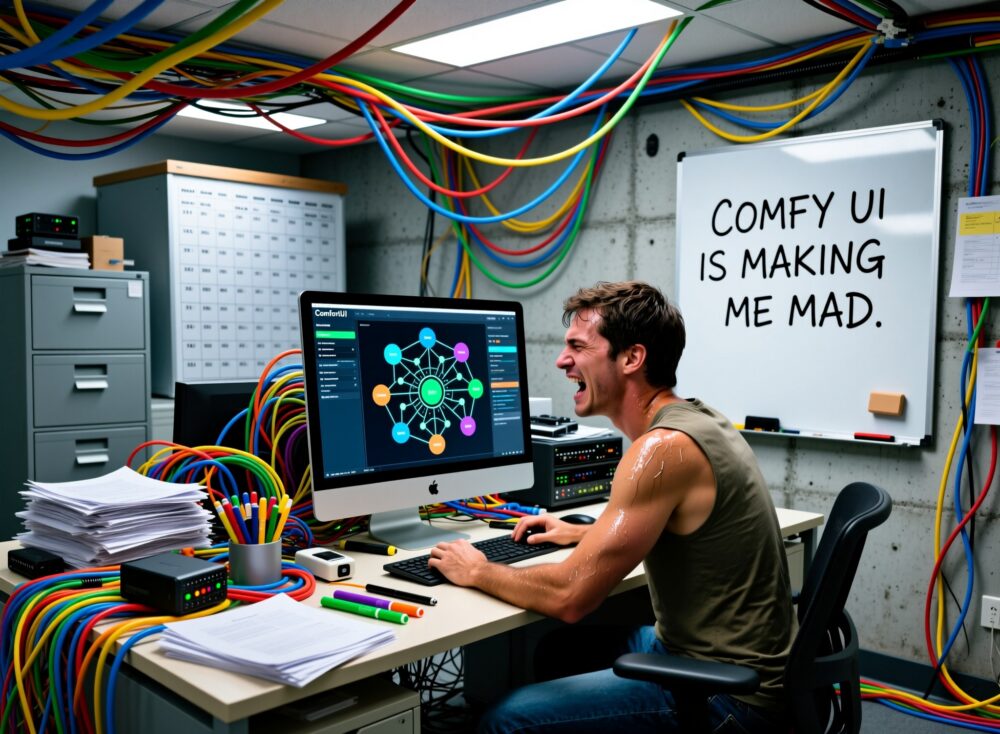
Qwen image has been getting a lot of unjustified heat for something wonderful (consistancy when updating prompts). Now I understand why some people want that random factor, finding the perfect shot by just hitting generate so I made this custom workflow that uses Qwen24VL3BInstruct to generate variations of the initial prompt, improving it and simulating the “old ways” of doing things. This uses Qwen Image Edit as base model for generating image, but the initial prompt tweaking nodes in the left can be copy pasted to any workflow. Link bellow and samples + youtube tutorial:
Workflow for getting Midjorney like images Version 2 (with Borealism LORA) Workflow for SRPO Refiner Edit: Changend the workflow and updated with better prompt generation. There is now a midjourneyfier boolean at the beginning of the left group so you can either diversify the prompt like the first example with the wires below or midjourneyfi the hell out of it like the later photos.
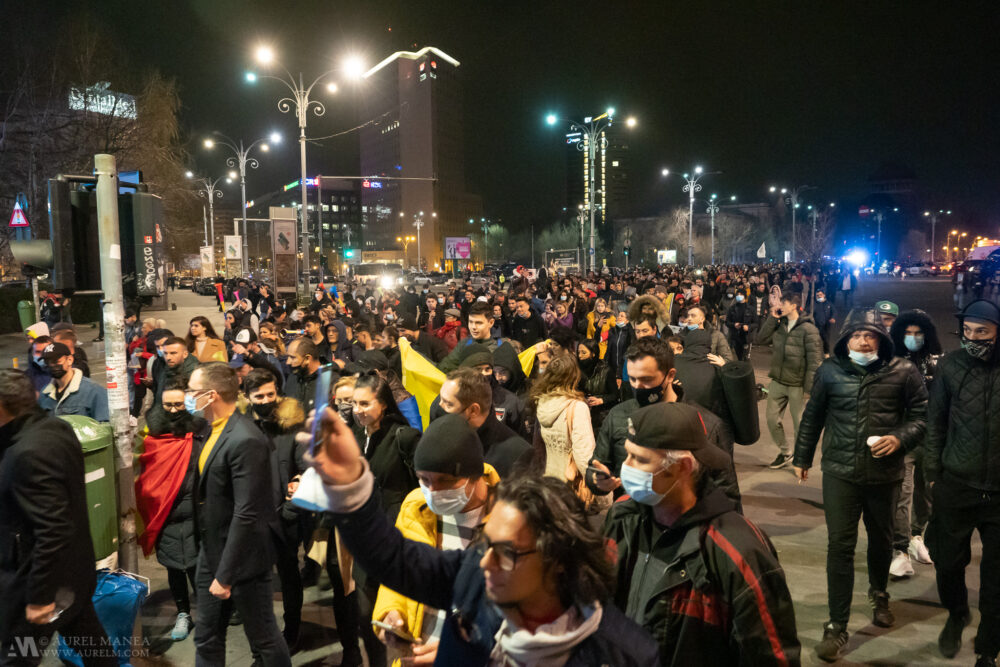
Daca e ceva ce am invatat acum 5 ani cand am renuntat sa ascult ce spune presa si mi-am luat inima in dinti si am petrecut o zi alaturi de emigranti la granita Grecia/Macedonia a fost fix asta: Sa nu mai ascult ce spune presa.
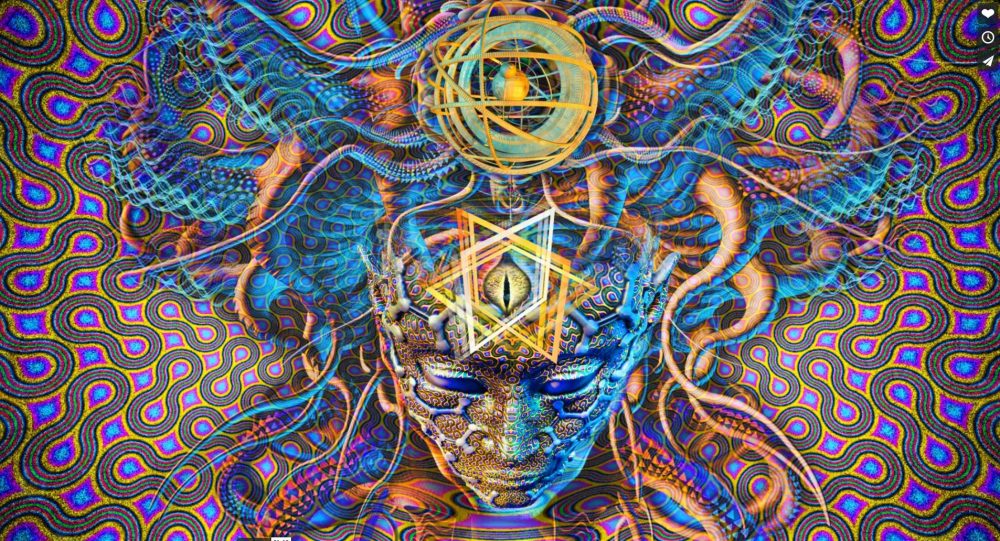
Nu au trecut nici 5 secunde si deja aud tiuitul ala surd atât de familiar si îmi dau seama ca nu am cum sa mă mai întorc iar in încă 5 totul va dispărea într-o mare de culori. Mai arunc o ultima privire in jur chiar in clipa in care contururile imaginii se accentuează si imaginea seamănă cu un desen cubist de o claritate impecabila.
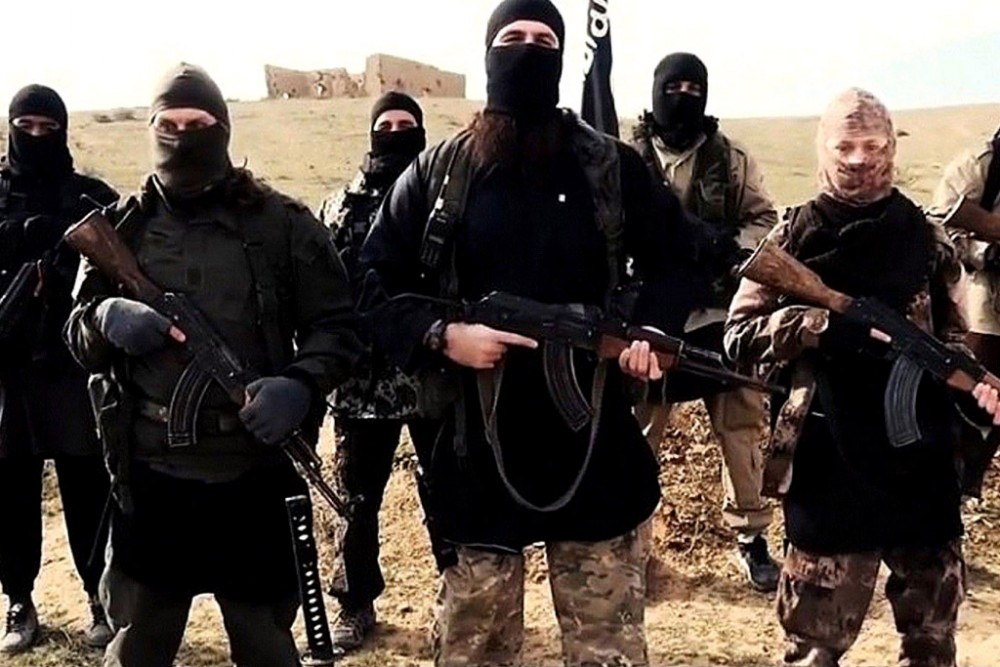
Ma sperie ocazional genul de rationament folosit de persoane din jurul meu in acest trend de islamofobie la nivel european. E acelasi gen de retorica si rationament folosit in discutiile electorale sau listele de comentarii de pe varii articole pe internet.